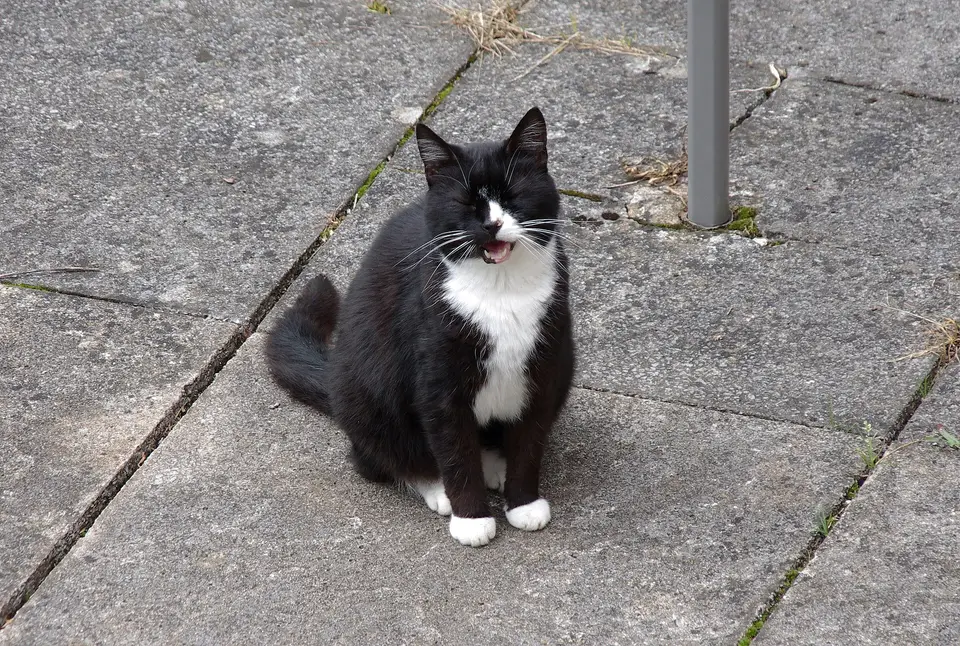
Fostering is one of the most direct ways to help shelter cats. You provide a temporary home, the shelter or rescue provides support, and a cat or litter of kittens gets out of a kennel and into a calm room where it can grow, heal or learn to trust people. You don't need a big house or years of experience. You do need a little space, some time each day, and a plan for keeping your own pets healthy.
What fostering involves
Best Friends Animal Society describes fostering as giving a pet a temporary home before adoption. Foster caregivers help prepare animals for their permanent homes, which can mean:
- Socializing shy or under-handled cats
- Teaching basic good habits, such as using a litter box and scratching posts
- Bottle-feeding newborn kittens
- Giving medications and quiet space to a cat recovering from illness or surgery
- Reporting on the cat's personality so the shelter can make a good match
Foster stays can last a few days, weeks or months, depending on the animal's needs. Best Friends notes on its foster page that schedules can be flexible, from a night or two up to the full time until adoption, and that you can usually return or transfer a foster if your plans change.
What shelters typically provide
Programs vary, so read the foster agreement before you start. According to Best Friends:
- Supplies and food: Best Friends and some shelters provide food and supplies, and many groups supply food and medication.
- Veterinary care: Programs typically cover medical care, but they may require you to use a specific clinic. Never take a foster animal to your own veterinarian without asking first.
- Adoption: Most groups handle adoptions. You can help by sharing the cat's story with friends, family and coworkers.
- Support: Experienced staff or volunteers you can call with questions.
Questions to ask before you say yes:
- What will you provide, and what am I expected to buy?
- Who do I call in an emergency, including nights and weekends?
- How do vet visits and adoption meetings work?
- What happens if the foster doesn't work out?
Choosing the right kind of foster
| Type of foster | What it involves | Good fit for |
|---|---|---|
| Bottle-baby kittens (under about 4 weeks) | Feeding every few hours around the clock, warmth, stimulating them to eliminate | People home most of the day and night, ideally with experience |
| Mother cat with kittens | Mom nurses and cleans the kittens; you provide a quiet room, food and monitoring | People with a quiet spare room |
| Weaned kittens (eating on their own) | Feeding, litter training, play and socialization | Families and first-time fosters |
| Adult cats | A quiet home while waiting for adoption, sometimes with medical recovery or shyness to work through | People who want a calmer foster |
Best Friends notes on its page about kitten foster options that you can choose a kitten age that suits your schedule and comfort level. The youngest kittens need a bottle every few hours, while older kittens eating on their own need far less intensive care. If bottle-feeding interests you, read our guide to caring for orphaned kittens first.
Setting up a foster room
A small, separate room is ideal. Best Friends' guide to preparing for foster kittens recommends:
- The room: a spare bedroom or bathroom away from your own pets. Avoid garages and any space with outdoor access. It should be warm, draft-free and easy to clean.
- Warmth for kittens: young kittens can't regulate their body heat well. Alley Cat Allies notes they can't do so until about 3 weeks old, so provide a covered heat source and soft bedding with room to move away from the heat.
- Food and water: at least one food bowl and one water bowl per kitten for larger litters, plus the food or formula your program recommends.
- Litter: low-sided litter boxes with non-clumping litter for kittens, placed as far from food and water as the room allows.
- A hiding and sleeping spot: a carrier with the door removed or a box on its side.
- Toys and scratching: a scratching post and toys that are easy to sanitize.
- Kitten-proofing: remove small swallowable items, breakables and toxic plants; block outlets and gaps where kittens could get stuck; keep the toilet lid closed.
For adult fosters, the same room works well. Give shy cats hiding places and time to approach you on their own terms, and learn what to watch for in our guide to signs of stress in cats.
Protecting your resident pets
Shelter animals can carry infectious diseases, and kittens are especially vulnerable. Best Friends' guide to keeping your pets safe when you foster recommends:
- Vaccinate your own pets first. Confirm resident cats are healthy and current on core vaccines (panleukopenia, rhinotracheitis and calicivirus).
- Test resident cats for FeLV before fostering cats long term. Cornell Feline Health Center explains that feline leukemia virus spreads through close contact such as mutual grooming and shared bowls and litter boxes.
- Keep fosters separate, ideally for at least two weeks, because many common infections have an incubation period of 3 to 14 days. Risk is higher with kittens under 6 months and with fosters that are ill, recovering or recently vaccinated.
- Use separate supplies. Foster cats should have their own litter boxes and bowls.
- Keep retrovirus-positive fosters apart as advised. Best Friends recommends keeping FeLV-positive fosters away from unvaccinated cats, and FIV-positive fosters that fight away from your cats. Our guide to FIV and FeLV explains the differences.
Wash your hands after handling fosters and before touching your own pets, and keep a dedicated set of clothes or a smock for the foster room if you're caring for sick animals. If you eventually introduce a healthy foster to your cats, follow a gradual plan like the one in our guide to introducing two cats.
Vet check: Talk with your own veterinarian before you start fostering, especially if any of your pets are very young, elderly or have chronic health conditions. Best Friends suggests working with a veterinarian who understands shelter medicine.
Kitten season: when fosters are needed most
Most shelters see a surge of kittens in warm months. The ASPCA describes kitten season as running roughly March through October, though timing varies across the country, and says it brings the majority of cat and kitten intake. The ASPCA calls foster homes and dedicated kitten nurseries the most humane options for kittens who can't be with their mothers.
If you've been thinking about fostering, late winter is a good time to apply and complete any training so you're ready when the calls start.
For parents: Fostering can be a wonderful family project, but adults should handle feeding schedules and medical care, and young children should always be supervised with foster animals. Our guide to teaching children to interact safely with cats covers the basics.
Saying goodbye
For many fosters, the hardest part is handing over a cat you've grown to love. Best Friends acknowledges that letting go can be emotionally difficult. Some things that help:
- Remember the purpose. Each adoption frees your room for the next cat who needs it.
- Be part of the handoff if your program allows; some foster caregivers attend the pet's departure.
- Ask about updates. Many foster caregivers receive photos and news from adopters.
- Take a break between fosters if you need one.
And sometimes a foster simply stays. Best Friends notes that foster homes sometimes become permanent homes, often called a "foster fail" or "foster win," and that foster volunteers typically get the first opportunity to adopt.
The bottom line
Fostering gives shelter cats and kittens space to grow, heal and show their personalities, and the shelter usually covers the essentials. Start by choosing a foster type that fits your schedule, set up a safe, separate room, and protect your own pets with vaccines, testing and a period of separation. If fostering isn't right for you yet, there are other ways to help your local animal shelter.
Common questions
Does it cost money to foster a cat?
Usually very little. Best Friends Animal Society says it and some shelters provide food, supplies and veterinary care, and many foster programs spell out what they cover in a written agreement. Ask before you sign up.
How long does fostering last?
It varies with the animal and the program, from a few days to several months. Bottle-baby kittens may need a few weeks of intensive care, while an adult cat may stay until it is adopted.
Can I foster if I have my own cats?
Yes, with precautions. Make sure your pets are healthy and up to date on core vaccines, test resident cats for FeLV before long-term fostering, and keep fosters separate, ideally for at least two weeks.
Can I adopt my foster cat?
Usually, yes. Foster caregivers often get the first opportunity to adopt, which many people affectionately call a "foster fail" or "foster win."
Sources
- Foster a pet, Best Friends Animal Society
- Pet Fostering FAQs, Best Friends Animal Society
- Keeping Your Pets Safe When You Foster, Best Friends Animal Society
- Preparing for Your Foster Kittens, Best Friends Animal Society
- Different Options for Fostering Kittens, Best Friends Animal Society
- ASPCA Launches New Tool to Educate the Public on How to Help Stray Kittens During Adopt-a-Shelter-Cat Month this June, ASPCA
- Caring for Neonatal Kittens, Alley Cat Allies
- Feline Leukemia Virus, Cornell Feline Health Center
Written and fact-checked by the Only Hope Cats editorial team against the sources listed above. Read our editorial policy, or tell us about an error.