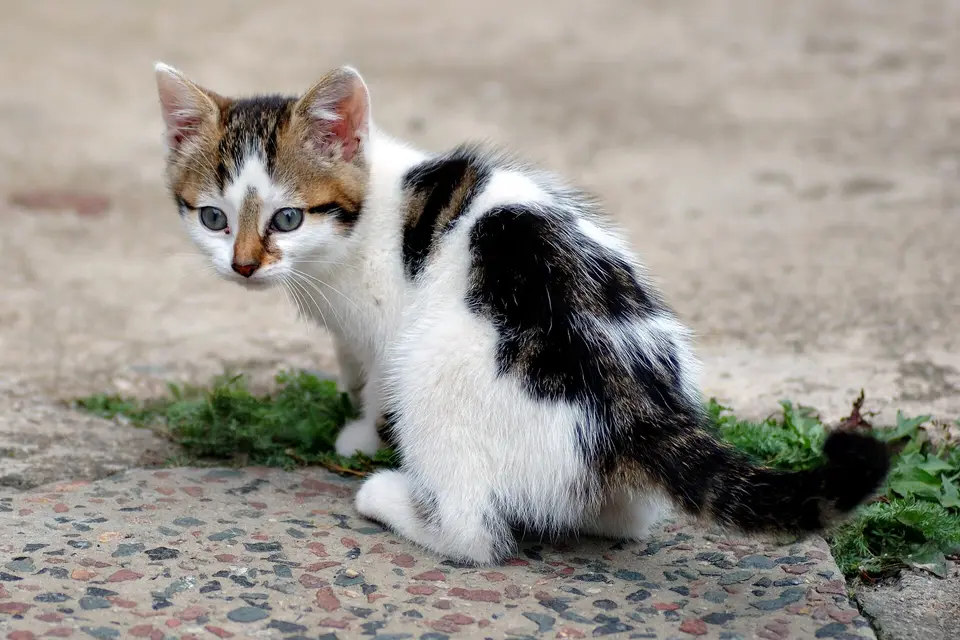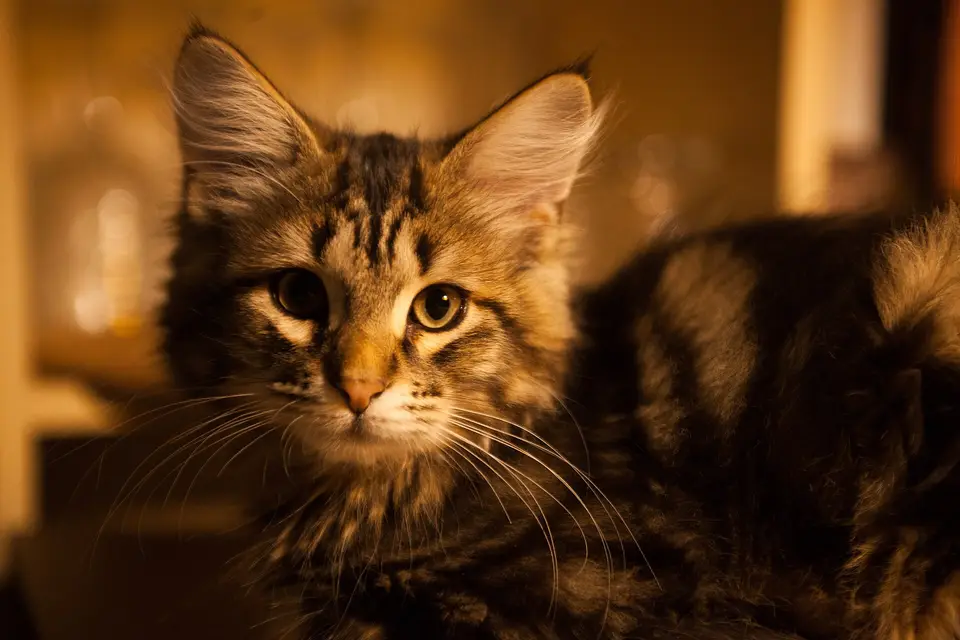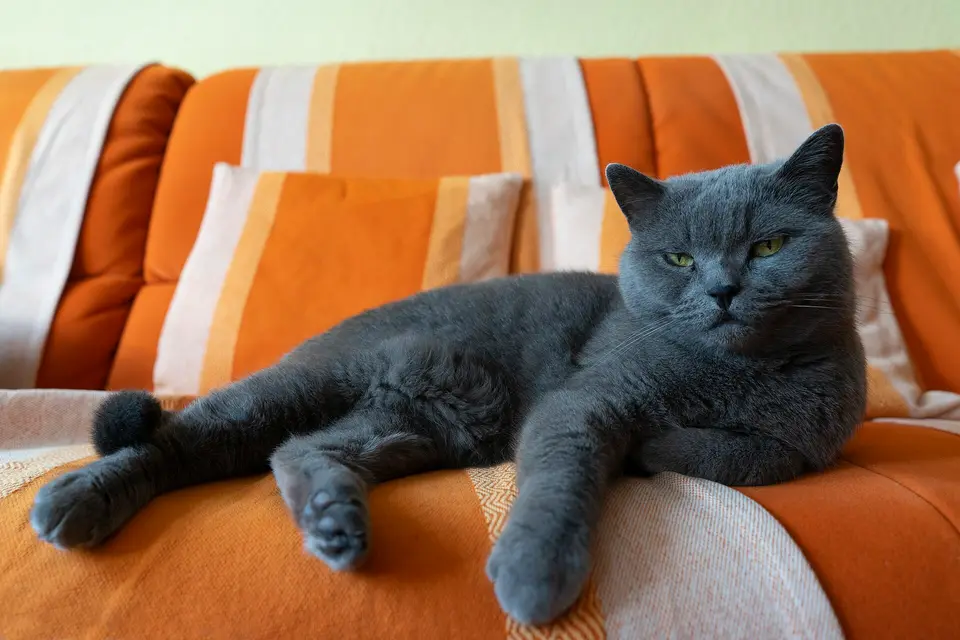
Search for the best cat for kids and you will find confident lists of breeds. The trouble is that children do not live with a breed; they live with one particular cat, with its own history, tolerance for noise and comfort with being touched. The families who do best usually pick a calm, confident adult cat whose behavior around children is already known, and they get that information from people who have watched the cat in a home.
Why temperament matters more than breed
Breed does carry some information. In a 2019 study of more than 5,700 cats across 40 breeds, researchers found average behavior differences between breeds and moderate heritability for several traits (Salonen et al., Scientific Reports). But the same paper notes substantial genetic variation within breed populations, and its data came from owner questionnaires, a method the authors acknowledge has not been validated.
In practical terms, an average difference between breeds says little about the specific cat in front of you. A placid breed can produce a jumpy individual, and a mixed-breed shelter cat can be the most tolerant animal in the building. If you are curious about pedigreed cats, our guide to understanding cat breeds covers what breed can and cannot tell you.
The American Academy of Pediatrics puts it plainly: choose a pet for its temperament and needs, not its looks, and avoid animals with behavior problems or a history of aggression or biting (HealthyChildren.org).
What a kid-ready cat looks like
Battersea, a large UK animal rescue, describes the cats that cope best with young children as friendly, confident and relaxed, not easily unsettled by changes around them, and comfortable with stroking and handling (Battersea). A cat that stays calm and curious when it first meets your children is a good sign.
| Good signs for a home with children | Reasons to pause |
|---|---|
| Approaches people on its own and stays relaxed | Hides, freezes or flees from visitors |
| Enjoys or tolerates stroking and gentle handling | Swats, bites or struggles when touched |
| Recovers quickly from sudden noises | Stays startled or defensive long after a noise |
| Has lived calmly with children before | Was raised without children and is older |
| Plays with toys rather than hands | Grabs at hands and feet during play |
The AAP also suggests looking for a gentle disposition and avoiding older pets that were raised without children (HealthyChildren.org). A shy cat is not a bad cat, but it may be happier in a quieter household. San Diego Humane Society, for example, recommends placing shy, fearful or reactive cats in homes without children under 12 (San Diego Humane Society).
To learn the signals a cat uses to say "I'm comfortable" or "I need space," see our cat body language guide for families.
Why an adult cat with a known kid history is often the best fit
Kittens are appealing, and plenty of them grow up beautifully with children. Still, several respected sources lean toward adult cats for homes with young kids:
- Kittens play with teeth and claws. The AAP notes that older animals often suit children better because puppies and kittens may bite during play (HealthyChildren.org).
- Kittens are fragile and still forming. San Diego Humane Society says kittens are often not a good match for homes with young children because they need consistent, gentle handling from everyone in the household, and their personalities are still developing. An adult cat's personality is usually clearer (San Diego Humane Society).
- Scratch-related illness is more often linked to kittens. The CDC says cat scratch disease usually spreads through scratches from cats, especially kittens and strays, and that children under 15 are affected most often (CDC).
The best predictor of how a cat will behave with children is how it has behaved with children. Battersea points to a record of living happily with young children as a strong indicator (Battersea), and Best Friends Animal Society says that when it places an adult animal with a family that has small children, staff look for one already used to kids (Best Friends).
Cats surrendered from homes with children, or adult cats a shelter has seen calmly handled by young visitors, are worth asking about. Our article on adopting an adult cat vs. a kitten goes deeper into the trade-offs.
Foster-based rescues: a window into home life
Many rescues keep cats in volunteer foster homes rather than in a shelter building. For families, that can be valuable, because a foster caregiver sees the cat at breakfast time, during a vacuum cleaner session, when the doorbell rings and, in some foster homes, around children. A cat that is subdued in a shelter kennel may look very different once it settles into a home, and the reverse can also be true.
San Diego Humane Society notes that a shelter's own observations of a cat in its care are the best guide to that cat's personality, and it encourages adopters to talk with an adoption counselor (San Diego Humane Society). With a foster-based rescue, the person who can answer your questions is often the foster caregiver.
Tip: Ask whether the foster home has children, or whether the cat has met child visitors. "Good with kids" means much more when someone can describe what actually happened.
If you are interested in how fostering works from the volunteer side, see our guide to fostering cats and kittens.
Questions to ask before you adopt
Bring this list to a shelter visit or a call with a foster caregiver:
- Has this cat lived with children, or met them? How old were they, and how did the cat respond?
- How does the cat react to being picked up, brushed or touched on the back and sides?
- Has it ever bitten or scratched a person? What was happening at the time?
- What does it do when startled by a loud noise or a fast movement?
- Does it play with toys, or does it target hands and feet?
- Where does it go when it wants to be left alone, and does it use that space?
- Does it have any health or behavior needs we should plan for?
Be candid in return. The AAP encourages families to be honest with shelter staff about their home life, how active their children are and how patient everyone can realistically be (HealthyChildren.org). A good match protects both the cat and your children.
Meeting the cat with your children
Best Friends encourages families to have children meet a prospective pet in person before adopting (Best Friends). Before the visit, explain the plan: everyone sits on the floor, voices stay quiet, and the cat chooses whether to come over. A child holding out a relaxed hand for the cat to sniff learns far more about the cat than a child chasing it around the room.
Watch how the cat responds over several minutes, not just the first few seconds. Our guide to teaching children to interact safely with cats has scripts you can practice at home beforehand.
For parents: The AAP advises never leaving a young child alone with an animal and supervising young children closely around pets, even a gentle, kid-experienced cat (HealthyChildren.org).
Timing and who does the work
The AAP suggests waiting until children are mature enough to handle and care for a pet, usually around age 5 or 6, because younger children may have trouble telling an animal from a toy (HealthyChildren.org). It also notes that maturity varies widely and that adults will do most of the pet care regardless (HealthyChildren.org).
Children can still share the work in ways that fit their age. Our guide to age-appropriate cat care responsibilities breaks it down by age band. Basic hygiene applies to everyone: the CDC recommends washing hands after handling cats or their supplies, with adults supervising handwashing for children under 5 (CDC).
The bottom line
The best cat for a family with children is an individual, not a breed: confident, relaxed, comfortable with handling and, ideally, already proven around kids. Adult cats and foster-based rescues make that easier to judge because someone has watched the cat in real life. Ask specific questions, let your children meet the cat calmly, and plan for an adult to supervise and handle most of the care.
Common questions
What is the best cat breed for families with kids?
No breed guarantees a kid-friendly cat. A large 2019 study found average behavior differences between breeds but also substantial variation within breeds, so the individual cat's temperament and history matter more than its breed label.
Is a kitten or an adult cat better for a home with young children?
An adult cat is often the safer choice. The American Academy of Pediatrics notes that older animals often suit children better because kittens may bite during play, and shelters point out that kittens are fragile and their personalities are still forming.
What should I ask a shelter or rescue about a cat and children?
Ask whether the cat has lived with or met children, how it reacts to noise, handling and visitors, whether it has ever bitten or scratched, and whether it has a safe place it retreats to. Foster-based rescues can often answer these from daily life in a home.
Should we get a cat while our kids are babies or toddlers?
Many families do, but the AAP notes that the baby and toddler stage may be a poor time to adopt, especially for first-time pet owners. Whatever you decide, an adult must supervise every interaction between a young child and a cat.
Sources
- How old should our children be before we adopt a pet?, American Academy of Pediatrics (HealthyChildren.org)
- How to Choose the Right Pet for Your Family, American Academy of Pediatrics (HealthyChildren.org)
- Breed differences of heritable behaviour traits in cats, Scientific Reports (Salonen et al., 2019), via PubMed Central
- Adopting a Cat: Things to Consider, San Diego Humane Society
- Kids and Pets: Families with Children Adopting a Dog, Cat or Other Animal, Best Friends Animal Society
- What type of cat is best to live with young children, Battersea Dogs & Cats Home
- About Cat Scratch Disease, CDC
- Cats | Healthy Pets, Healthy People, CDC
Written and fact-checked by the Only Hope Cats editorial team against the sources listed above. Read our editorial policy, or tell us about an error.