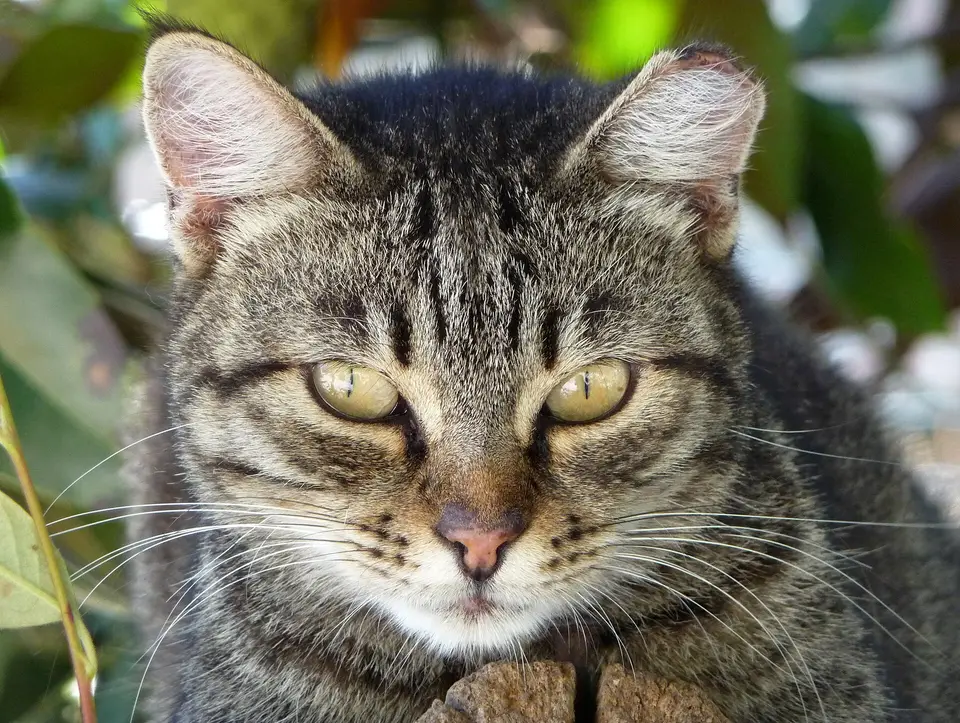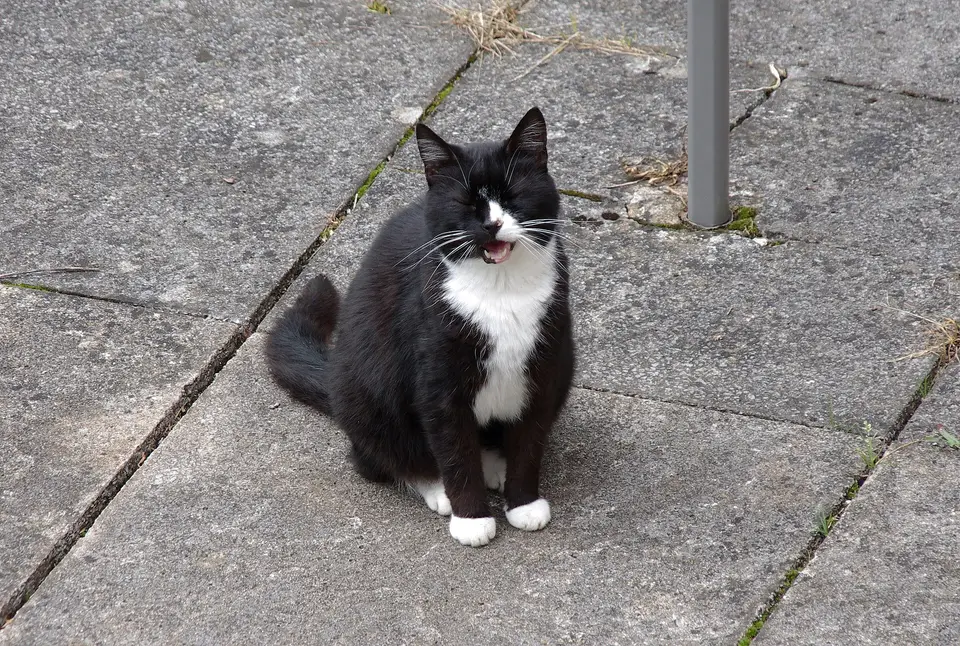
Trap-neuter-return, or TNR, is how many communities in the US manage outdoor cats that cannot live in homes. Volunteers humanely trap cats, a clinic spays or neuters and vaccinates them, and the cats go back to the place they know. It is practical, hands-on work, and it goes much better with training, a plan and the support of neighbors. This guide covers the method, the evidence and the debate around it, and the nuts and bolts of a first project.
What TNR is
Alley Cat Allies describes TNR in five steps:
- Trap the community cat humanely.
- Spay or neuter it at a veterinary clinic.
- Vaccinate it, typically including rabies.
- Ear-tip it, removing the top of one ear under anesthesia as a visible sign it has been through TNR.
- Return it to its outdoor home.
Alley Cat Allies also recommends microchipping each cat and registering the chip to the caregiver or TNR group. You will see variations on the name. The ASPCA uses TNRM, adding "monitor" to stress that a caregiver must keep watch for new and sick cats. Others use TNVR to highlight vaccination. Friendly cats and young kittens found during TNR are often placed for adoption instead of being returned. For background on which cats are candidates, see our guide to feral, stray and community cats.
What the evidence shows
TNR's strongest evidence concerns shelters: fewer cats coming in and fewer being euthanized.
- A targeted Florida program. Researchers at the University of Florida concentrated TNR in one high-intake zip code for two years, sterilizing 2,366 cats, about 54 percent of the estimated community cats there, and adopting out friendly ones. Animal control cat intake from that area fell about 70 percent, compared with about 13 percent in the rest of the county, according to the university's summary of the study by Levy and colleagues.
- Six municipal shelters. A 2019 study in Frontiers in Veterinary Science looked at three-year community cat programs combining return-to-field (shelter-based sterilization and return) with targeted TNVR in six US communities. Median cat intake fell about 32 percent and median cat euthanasia about 83 percent. The authors note important limits: the study was retrospective, used no statistical testing, relied on data shelters had collected in different ways, and did not track the welfare of returned cats. The programs were funded by Best Friends Animal Society, which employs one of the authors.
The ASPCA's position statement adds a key condition. Population modeling suggests a critical percentage of cats in an area must be sterilized within a short period to reduce numbers over 5 to 10 years, and the ASPCA says it is running field trials to test those models. Scattered, small-scale TNR is unlikely to shrink a population on its own.
The debate: wildlife and TNR's critics
TNR is not universally supported, and the disagreement deserves a fair hearing.
The U.S. Fish & Wildlife Service lists cats as the largest human-caused source of bird deaths in the US, with a median estimate of about 2.4 billion birds killed each year. The Wildlife Society, a professional organization of wildlife scientists, calls TNR controversial and usually ineffective. Its 2025 issue statement argues that TNR rarely meets the conditions needed to succeed, such as a closed population and high capture rates, and that returning cats to roam outdoors is not ethical. It supports removing free-ranging cats through indoor adoption, long-term holding or euthanasia of unadoptable cats.
TNR supporters respond that lethal removal has not worked in practice. The ASPCA's statement opposes trap-and-kill programs as neither humane nor effective, noting that removed cats are replaced through reproduction and immigration. It also says cats should not be managed in critically sensitive ecological areas, and recommends assessing all species in an area before intervening.
Both sides agree on the goal of fewer free-roaming cats. TNR practitioners can take wildlife concerns seriously in concrete ways:
- Aim for high, fast coverage of a colony rather than trapping a cat here and there.
- Keep colonies away from sensitive habitats such as nesting areas and wetlands, and work with local wildlife officials when there is overlap.
- Feed on a schedule and remove leftovers so food doesn't attract wildlife.
- Trap newcomers promptly and place friendly cats and kittens in homes.
- Keep your own cats indoors or in a catio, as the Fish & Wildlife Service recommends.
Get trained first
You don't need a credential to do TNR, but training prevents injuries, escaped cats and frustrated neighbors.
- Neighborhood Cats offers an online TNR certification workshop, live or on demand, lasting about two and a half hours with handouts and video. At the time of writing, registration was listed at $10. Its books and guides page links to the Neighborhood Cats TNR Handbook, an A-to-Z reference for colony caretakers.
- Alley Cat Allies publishes a free step-by-step guide to TNR that covers planning, trapping, recovery and colony care.
- Local groups are the most valuable resource. Ask your shelter whether it runs a community cat program, and look for TNR groups that may lend traps or pair you with an experienced trapper.
Finding a low-cost spay/neuter clinic
Surgery is usually the biggest cost. The ASPCA's low-cost spay/neuter page points to the SpayUSA database of providers and suggests contacting local shelters and veterinarians about available services. Alley Cat Allies recommends choosing a clinic experienced with community cats and confirming, before trapping day:
- Pricing and what it includes
- How flexible appointments are if you trap more or fewer cats than planned
- Policies on FIV/FeLV testing, ear-tipping and microchipping
- How cats should be dropped off and picked up (Alley Cat Allies advises that each cat go home in the same trap it arrived in)
For what a positive FIV or FeLV test means, see our guide to FIV and FeLV.
Equipment checklist
Based on Alley Cat Allies' guide:
- Humane box traps or drop traps, one per cat plus a few spares (never darts or tranquilizers)
- Trap covers, such as sheets or towels, large enough to cover each trap fully
- Newspaper to line traps
- Bait, such as strong-smelling canned fish
- Labeled trap tags for each cat
- A climate-controlled vehicle; never transport cats in a trunk or open truck bed
- A quiet, temperature-controlled holding space, around 75°F
Step by step: a first TNR project
- Plan with your neighbors. Explain what you're doing and ask other feeders to stop feeding for the 24 hours before trapping.
- Count and describe the cats. Record each cat's appearance and health so you know when you've caught everyone.
- Book surgery as close to trapping day as possible.
- Get cats used to traps. Alley Cat Allies suggests feeding cats in unset traps for one to two weeks beforehand, removing the traps after each meal.
- Withhold food for 24 hours before trapping, but always leave water.
- Set traps and watch from a distance. Never leave a set trap unattended.
- Cover each trapped cat to calm it, and do not open the trap or try to touch the cat.
- Hold cats in their covered traps in a quiet, temperature-controlled space until surgery.
- Recover and monitor cats after surgery, checking every hour or two for bleeding, vomiting or trouble breathing, and calling the clinic right away if you see problems.
- Return each cat to exactly where it was trapped, ideally about 24 hours after surgery once it is alert. Open the trap door, step back, and let it go.
Safety: Do not reach into a trap or try to hold a community cat. A frightened cat can bite or scratch seriously. If you are bitten or scratched, wash the wound and contact your doctor promptly.
Kittens and nursing mothers. If healthy kittens are present, Alley Cat Allies advises leaving them with their mother until they can be sterilized; kittens can have surgery once they are healthy and weigh at least 2 pounds. Nursing mothers should be spayed and returned within a day so they can get back to their litters. See our guide to orphaned kittens if you find a litter without its mother.
Ongoing colony care
TNR is the beginning, not the end. Alley Cat Allies and the ASPCA describe the caregiver's ongoing job:
- Feed on a regular schedule in a quiet, discreet spot, and pick up leftovers after about 30 minutes.
- Provide water and weather-appropriate shelter.
- Watch for sick or injured cats and for newcomers, and trap any new arrivals promptly.
- Use deterrents and exclusion, such as securing garbage and fencing, to discourage new cats from moving in.
- Keep talking with neighbors and address their concerns early.
Rules on feeding and TNR vary from place to place, so check with your local animal services agency before you begin. If you'd rather support TNR than trap yourself, many groups need drivers, recovery space and donated supplies; see how to help your local animal shelter.
The bottom line
TNR humanely stops litters and has a solid record of reducing shelter intake and euthanasia, especially when it is targeted and reaches most cats in an area quickly. Its effect on wildlife is genuinely contested, and good practitioners respond by aiming for high coverage, keeping colonies away from sensitive habitats, and finding homes for friendly cats. Get trained, line up a clinic, and talk to your neighbors before you set your first trap.
Common questions
What does TNR stand for?
Trap-neuter-return. Community cats are humanely trapped, spayed or neutered, vaccinated and ear-tipped at a clinic, then returned to the place they were found. Many groups add monitoring (TNRM) or vaccination (TNVR) to the name.
Does TNR actually reduce cat populations?
Studies show TNR can reduce shelter intake and euthanasia, especially when it is targeted and reaches a high share of cats in an area. Population effects depend on sterilizing enough cats quickly and preventing new arrivals, and wildlife scientists dispute how often that is achieved.
Where can I learn how to do TNR?
Neighborhood Cats offers an online TNR certification workshop, and Alley Cat Allies publishes a free step-by-step guide. Local TNR groups and shelters with community cat programs often offer hands-on help as well.
How long after surgery can I release a cat?
Alley Cat Allies advises returning cats to their trapping site about 24 hours after surgery, once they are clear-eyed and alert, while following your clinic's specific instructions.
Sources
- TNR | Trap, Neuter or Spay, Return, Alley Cat Allies
- How to Help Community Cats: A Step-by-Step Guide to Trap-Neuter-Return, Alley Cat Allies
- Intro workshops, Neighborhood Cats
- Books & Guides, Neighborhood Cats
- Low-Cost Spay/Neuter Programs, ASPCA
- Position Statement on Community Cats, ASPCA
- Targeted feral cat sterilization program yields multiple benefits, University of Florida College of Veterinary Medicine
- Integrated Return-To-Field and Targeted Trap-Neuter-Vaccinate-Return Programs Result in Reductions of Feline Intake and Euthanasia at Six Municipal Animal Shelters, Frontiers in Veterinary Science
- TWS Issue Statement: Feral and Free-Ranging Domestic Cats, The Wildlife Society
- Threats to Birds, U.S. Fish & Wildlife Service
Written and fact-checked by the Only Hope Cats editorial team against the sources listed above. Read our editorial policy, or tell us about an error.