If you have ever adopted a cat from a shelter, there is a good chance its paperwork said "DSH." It is one of the most common labels on shelter adoption cards, yet it isn't a breed at all. Understanding what the label means helps you choose a cat for who it is, not what a breed profile promises.
A domestic shorthair is not a breed
"Domestic shorthair" simply describes a cat with a short coat whose ancestry is mixed or unknown. There is no breed standard, no stud book and no expected look. Shelters and veterinary clinics use the term, along with "domestic medium hair" and "domestic longhair," as a practical description. VCA Animal Hospitals notes, for example, that the domestic longhair is not an officially recognized breed, and the same is true of its short-coated counterpart.
The name causes some confusion. The American Shorthair is a pedigreed breed recognized by the Cat Fanciers' Association, and VCA explains it was originally called the Domestic Shorthair until it was renamed in 1966. A shelter cat labeled DSH may resemble an American Shorthair, but unless it has registered parents, it is a random-bred cat. Our guide to understanding cat breeds explains how pedigrees and registries work.
Domestic shorthair at a glance
| Trait | What to expect |
|---|---|
| Ancestry | Mixed or unknown; random-bred |
| Size | Varies widely; ask your veterinarian what a healthy weight is for your cat's frame |
| Coat | Short; almost any color or pattern |
| Personality | Individual; best judged by meeting the cat |
| Grooming | Usually low; weekly brushing helps with shedding |
| Lifespan | A UK study found a median of 14.0 years for crossbred cats (O'Neill et al.) |
| Where to find | Shelters, rescues and foster networks nationwide |
Why domestic shorthairs look so different
Without breeding for a standard, domestic shorthairs keep a wide mix of genes. A 2021 genetic study of more than 1,200 UK cats classed domestic short, semi-long and longhairs as a random-bred population and found them genetically diverse overall, with less inbreeding in their DNA than most pedigree cats. The same study cautioned that random-bred cats are not immune to inbreeding: about 19% showed signs of recent inbreeding.
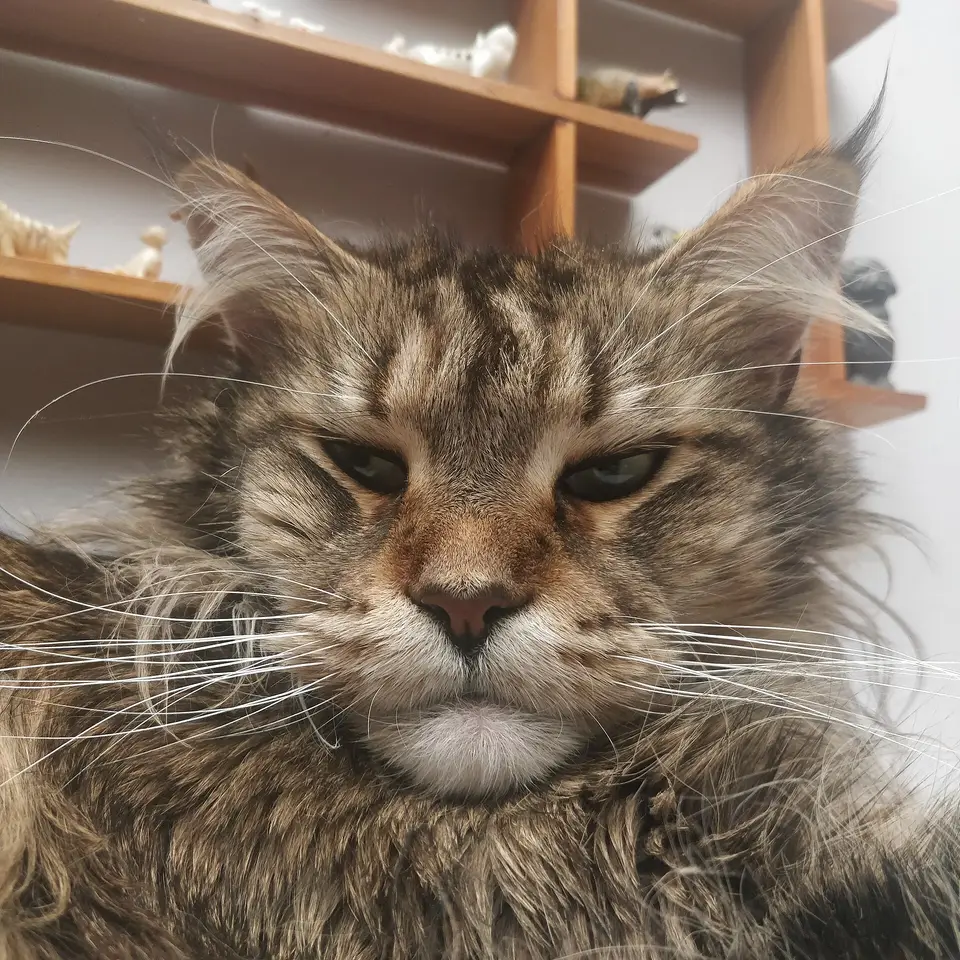
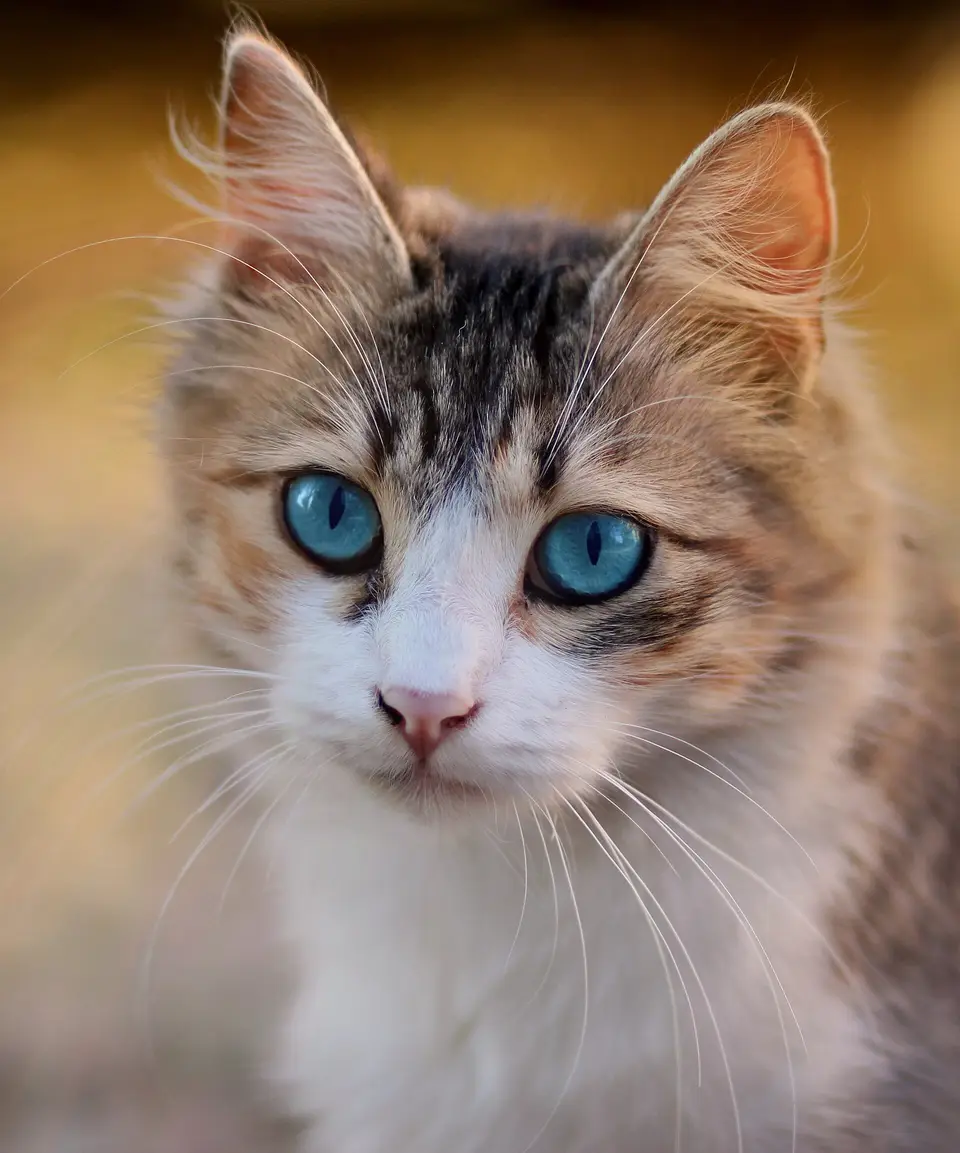
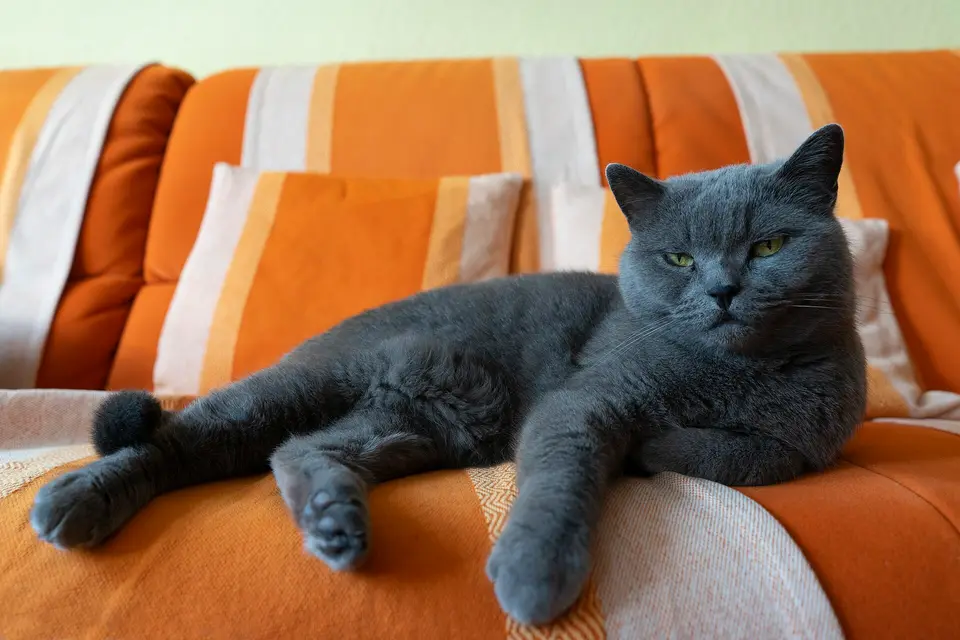
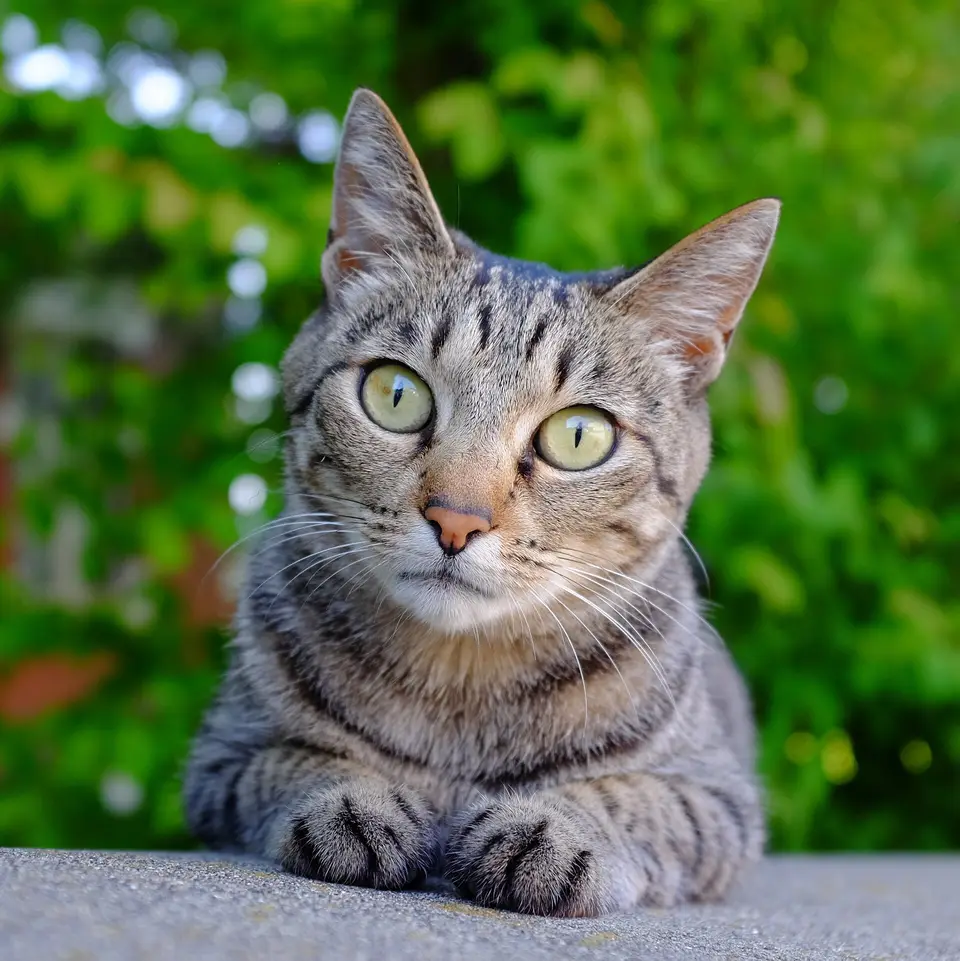
That genetic mix shows up on the outside. Shorthaired cats come in tabby stripes, swirls and spots; solid black, white, gray and orange; tortoiseshell and calico; tuxedo and other bicolors; and many combinations. In a study of more than 2,500 cats adopted from a shelter in Sydney, Australia, where 99% were mixed breed, tabbies made up 37.1%, black cats 25.1% and orange (red) cats 15.9%. US shelters aren't identical, but the pattern of variety is familiar to anyone who has visited one.
Tip: Look past coat color when you visit a shelter. Choose based on how the cat behaves with you and your family, not on the color you pictured.
Health and lifespan
No cat is guaranteed good health, and a domestic shorthair can develop any common feline disease, from dental disease to kidney problems. Still, the research on longevity is encouraging. In a UK study of cats seen in veterinary practices, crossbred cats had a median lifespan of 14.0 years compared with 12.5 years for purebred cats. A larger 2024 life-table study found that being purebred was linked with a shorter lifespan, and it estimated a life expectancy at birth of 11.89 years for crossbred cats, slightly above the average for all cats. The two studies measured lifespan in different ways, so their numbers aren't directly comparable.
The practical takeaway: a domestic shorthair still needs vaccines, parasite prevention, spay or neuter surgery, dental care and yearly checkups. Our beginner's guide to cat care covers the essentials.
Why domestic shorthairs make great family cats
You can choose for personality. Because breed doesn't set expectations, you meet the actual cat. Cornell Feline Health Center notes that an adult cat's personality is already established, so you can judge how it will fit your home, and that healthy adults usually need less intensive care and supervision than kittens.
There's a match for almost every household. Among domestic shorthairs you'll find bold, playful cats for active families, mellow lap cats for quieter homes and confident adults that already live with dogs or children. Shelter and foster staff often know these details.
Easy-care coats. A short coat usually needs only occasional brushing, which makes grooming a realistic job for older children to help with.
Lower cost of entry. The Federal Trade Commission notes that shelters and rescues typically charge a small adoption fee. Our guide to the real cost of owning a cat explains what to budget after adoption.
For parents: For homes with young children, ask the shelter for a calm adult cat with a history of living with kids. Teach children to let the cat approach first, and always supervise infants and toddlers around any cat.
Shorthair, medium hair or longhair?
Shelters usually sort random-bred cats by coat length alone: domestic shorthair, domestic medium hair and domestic longhair. The labels are visual shorthand, not ancestry, and staff judge them by eye. For a family, the difference that matters most is grooming. A short coat sheds but rarely tangles, while VCA notes that heavy mats in a long coat can lead to skin infections. If no one in your household wants to brush several times a week, a shorthair is the practical pick.
Questions to ask before you adopt
Because a domestic shorthair's background is often unknown, the cat's recent history is your best guide. Ask the shelter, rescue or foster caregiver:
- How does this cat react to being petted, picked up and having its paws touched?
- Has it lived with children, dogs or other cats, and how did that go?
- Is it shy or outgoing with new people, and how long does it take to settle?
- Does it have any known health problems, medications or special diet?
- What food and type of litter has it been using?
- Is there a return or support policy if the match doesn't work out?
If you're weighing a kitten against a grown cat, our comparison of adopting an adult cat vs. a kitten lays out the trade-offs, and our guide to the best cats for families with children explains what temperament traits to look for.
Finding a domestic shorthair: availability in shelters
Domestic shorthairs are by far the easiest cats to find for adoption. The ASPCA reports that about 3 million cats entered US shelters and rescues in 2025, citing Shelter Animals Count data. Most of those cats are random-bred: in a study of an Ontario shelter, 97% of admitted cats were non-purebreds such as domestic short-, medium- and longhairs.
To find one near you:
- Search local shelter and rescue websites by age, temperament notes and compatibility with children or pets. Our page on where to find adoptable cats near you lists ways to search.
- Visit more than once if you can, and ask staff or foster caregivers how the cat behaves at home.
- Consider adult and senior cats, whose personalities are already known.
- Plan a veterinary visit soon after adoption, as Cornell recommends for any new cat.
The bottom line
A domestic shorthair isn't a breed; it's the everyday, random-bred cat that fills American homes and shelters. That variety means you can choose a cat for its personality, often an adult whose temperament is already clear. With routine veterinary care, a domestic shorthair can be a healthy, long-lived companion for the whole family.
Common questions
Is a domestic shorthair a breed?
No. Domestic shorthair (DSH) describes a short-coated cat of mixed or unknown ancestry. It has no breed standard and isn't recognized as a breed by cat registries.
What is the difference between a domestic shorthair and an American Shorthair?
The American Shorthair is a pedigreed breed recognized by the Cat Fanciers' Association; it was originally called the Domestic Shorthair before being renamed in 1966. A domestic shorthair today is any random-bred shorthaired cat.
How long do domestic shorthair cats live?
It varies with health and care. In one UK study of cats in veterinary practices, crossbred cats had a median lifespan of 14.0 years, longer than the 12.5-year median for purebred cats.
Are domestic shorthairs good with kids?
Many are, but personality varies from cat to cat. Choosing an adult cat whose temperament is known, and asking shelter staff how it behaves with children, is the most reliable approach.
Sources
- American Shorthair | VCA Animal Hospitals, VCA Animal Hospitals
- Domestic Long Hair | VCA Animal Hospitals, VCA Animal Hospitals
- More Than a Moggy; A Population Genetics Analysis of the United Kingdom's Non-Pedigree Cats, Genes (PMC)
- Longevity and mortality of cats attending primary care veterinary practices in England, Journal of Feline Medicine and Surgery (PMC)
- Life tables of annual life expectancy and risk factors for mortality in cats in the UK, Journal of Feline Medicine and Surgery (PMC)
- Epidemiological investigation of euthanasia in an Ontario animal shelter, Journal of Feline Medicine and Surgery (PMC)
- Population Characteristics of Cats Adopted from an Urban Cat Shelter and the Influence of Physical Traits and Reason for Surrender on Length of Stay, Animals (PMC)
- U.S. Animal Shelter Statistics, ASPCA
- Choosing and Caring for Your New Cat, Cornell Feline Health Center
- Get the dog or cat instead of the scam, Federal Trade Commission
Written and fact-checked by the Only Hope Cats editorial team against the sources listed above. Read our editorial policy, or tell us about an error.